Author: Staff (Page 22 of 157)

5 Undesirable Traits That We Inherit

Baldness, Color Blindness, Lactose Intolerance, Acne and Heart Disease are traits which are genetic.

In an age when we do everything possible to be our best there are some things we just can’t change.
Colorblindness affects about 10 percent of men but less than 1 percent of women. It is directly inherited, and here’s why it’s more common in men: Genes for the eye’s red and green receptors sit near each other on the X-chromosome. Men have one X-chromosome, which they inherit from their mother; women have two, and a good gene will often balance out a defective one. Ninety-nine percent of cases involve the challenge of distinguishing between reds and greens. Complete colorblindness, or achromatopsia, is rare, affecting about one in 30,000 people worldwide. Interestingly, colorblind people dream in whatever colors they normally distinguish when awake.

Millions Of American Women Lack Sufficient Health Care Coverage

Insured American women are more likely to go without needed healthcare because of the cost and difficulty paying medical bills.

“We are on the cusp of a remarkable feat: providing comprehensive, affordable health insurance to almost all American women,” Karen Davis, president of the Commonwealth Fund, explained. “It is crucial that state and federal policy makers and other key stakeholders actively work together to implement the reform law and take full advantage of all the benefits the Affordable Care Act offers so that all American families are able to benefit from the law’s potential.”

Women of childbearing age are at particular risk and often cannot afford the high out of pocket cost of health care even when they are insured.

Lower wages, higher premiums and time away from work to raise families puts women at unique risk in comparison to men.

3 Rules For Diet Success!

3 simple rules can help to make your weight loss efforts a success.

In a study, the women who were most successful at losing weight kept track of their food intake in a journal, didn’t skip meals and avoided eating out.

“This study highlights the important strategies for maintaining weight loss over time, including self-monitoring through [food diaries], regular eating patterns and a healthy food environment [by minimizing eating out),” said Dr. Anne N. Thorndike, of Harvard Medical School, who was not involved in the study.
Thorndike said she was not surprised by the three habits that led to the greatest success. “These findings really mirror what I see in clinical practice,” she said.

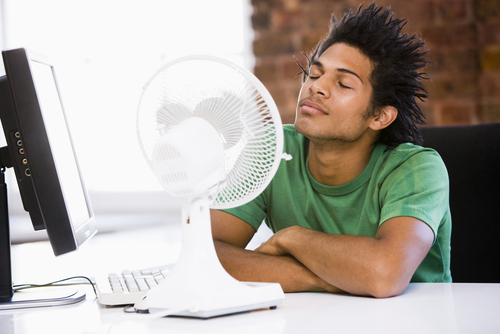
Fans May Not Be The Way To Beat The Heat

Electric fans may do more harm than good in heat wave.

And the reason is because we don’t know exactly how the body’s cooling system really works.

In an editorial accompanying a review of studies from around the world on the effectiveness of electric fans, researchers writing this week in the The Cochrane Library say there’s no evidence that fans are the way to go during a heat wave.

In fact, they say, that when temperatures rise above 95 degrees, or roughly body temperature, the fan might actually make you even hotter, unable to sweat and sick. There’s some disagreement as to how, but some researchers have found hot air blowing on a hot body can cause an increase in the rate of dehydration or heat exhaustion.

Kay Dickersin, director of the Center for Clinical Trials and the U.S. Cochrane Center, based at Johns Hopkins University, says how the body copes with heat is very complex.

Public health officials have a responsibility to help the public cope with heat waves, however, large randomized testing is difficult given the nature of weather.

Not having the right answers leads health officials to be conservative when suggesting that using electric fans in temperatures greater than 95 degrees fahrenheit may not be helpful and could actually be harmful.

« Older posts Newer posts »

© 2026 MedClient.com

Theme by Anders NorenUp ↑