Category: Research (Page 67 of 93)

7 Foods to Curb Your Appetite

I bet you didn’t know that food could suppress the appetite.

Especially proteins.

Protein can be found in soy products like tempeh and TVP as well as in yogurt, lentils and nuts.


Flaxseeds

Raw flaxseeds are an excellent source of omega-3 fatty acids. They are also high in soluble fiber that can help to regulate your blood sugar levels and suppress hunger. Ground flaxseeds can be added to yogurt, salad, cereal, smoothie, drinks and soup.

Apples

Apples are low in sugar but high in pectin. The latter is a type of soluble fiber that can slow the digestion and absorption of sugar. Thus, it fills you up and keeps you satiated.

Avoid store bought apple juice. It does not offer the same benefits as eating whole apples since the fiber has been removed.

Pine Nuts and Almonds

Nuts are healthy snacks as they contain oleic acid, an unsaturated fat that curbs hunger. They are also rich in fiber, protein, vitamins and minerals.

Pine nuts and almonds are two of the best. The digestion of pinolenic acid, a type of polyunsaturated fat in pine nuts, stimulates the release of satiety hormones in the gastro-intestinal tract. This reduces the desire to eat and hence, lowers food intake.

A handful of almonds makes a satisfying snack in between meals. They are very filling due to their high content of fiber and heathy fats.

Leafy Greens

Filling up on leafy greens such as cabbage, lettuce and spinach is another great way to stave off hunger. Feel free to eat as much leafy greens as you like as it is impossible to overeat them. They are very low in calories and high in fiber.

Avoid store bought salad dressings that are high in calories. You can make your own healthy salad dressing from olive oil and balsamic vinegar or lemon juice.

Water

You probably don’t think of water as a wonder food, but the fact remains that it’s a great and healthy way to appease your appetite. Sufficient water intake is also necessary for efficient fat burning. Whenever you feel hungry or get cravings, drink a large glass of water. Being hydrated quells appetite and keeps you healthy.

Soup

Soup is a great natural appetite suppressant that’s low in calories. Whether it’s chicken or vegetable soup, the high water content and nutrients leave you feeling full and satisfied. You can simply cook a large pot of your favourite soup to keep in the fridge. Reheat a portion when necessary, to make a quick, healthy and satisfying meal.

Lean protein

Protein is the most satiating of all macronutrients and is great for suppressing appetite. It is best to consume protein from natural foods such as lean meat, fish, eggs, beans, nuts and legumes.

Another benefit of lean protein foods is that they require high amount of calories to digest and assimilate. Eating a lean protein food at every meal is often recommended for those who are on a fat loss eating plan.

Health Insurance Premiums Show Sharp Increase in 2011

Health insurance premiums increase leaving consumers and employers to decide how to pay for services.

Including employers’ contributions, the overall premium has increased 113 percent since 2001 to $15,073 a year.

More workers, especially in smaller firms, continue to join high-deductible health plans. Thirty-one percent of covered employees this year have to pay at least $1,000 in single plans before coverage kicks in, up from 27 percent last year.

The survey also highlighted some early results of President Barack Obama’s healthcare reform.

Under one of the few provisions already in effect, people under the age of 26 are now allowed to remain covered by their parents’ insurance plans to curb historically high uninsured rates in that age group. The Kaiser survey estimated that U.S. companies have added 2.3 million young adults to their parents’ family health policies.

Re-Thinking Three Squares


Eating three meals a day has no real biological basis.

Historically it has been the amount of daylight which dictated when and how often meals were eaten but our bodies are highly adaptable and are able to function within many kinds of eating patterns.

A number of recent studies have explored the health effects of eating three daily meals, and the findings have been far from conclusive. Eating just one large meal a day was found to lower weight and body fat, but raise blood pressure, insulin resistance and glucose intolerance. Eating at least four small meals daily, on the other hand, was found by one study to reduce obesity risk by 45 percent — but a different study found no such effect. Some research seems to indicate that “alternate-day fasting” might decrease your risk of heart disease and cancer.

CDC Urges Flu Vaccine, Without Question

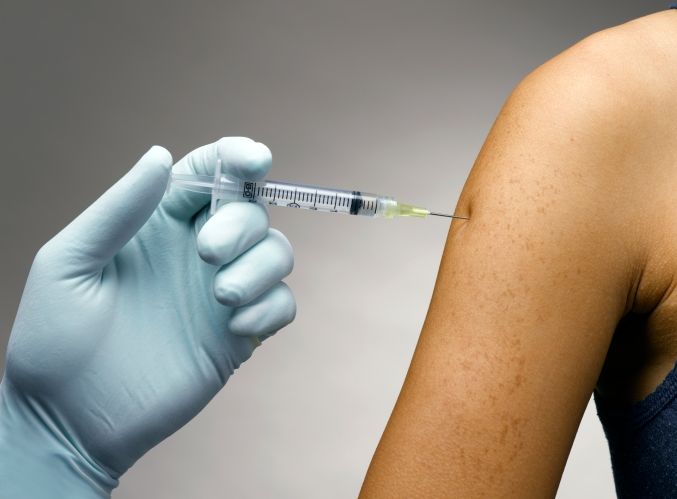
The CDC is strongly recommending the flu vaccinethis year.

For the immune-compromised, the elderly, children and pregnant women, it is the best way to be protected during flu season.

Last flu season, about 130.9 million Americans, or 43 percent of the U.S. population, received a flu shot. That’s about 8 million more than the previous season, said Dr. Thomas Frieden, director of the Centers for Disease Control and Prevention.

While researchers can’t predict exactly what this flu season will hold, “We can say with certainly that the best way to protect yourself, your family and your community is to get a flu shot,” Frieden said at a NFID news conference today.

“For most people, the flu makes them sick for a few days, but for others — especially children, the elderly and people with underlying health conditions — it can be life-threatening,” Frieden said.

Bed Bug Cure is Worse Than the Bite

Bed bugs do not transmit disease or cause illness — but the insecticides used to kill them do.

A total of 111 illnesses associated with bed bug-related insecticides were reported in seven states between 2003 and 2010 (mostly in the last three years), the Centers for Disease Control and Prevention (CDC) said Thursday.

Most cases of poisoning were not severe, but the data included one death.

In nearly 40% of cases of insecticide-related illness, extermination was attempted by consumers who weren’t certified to use pesticides. The problem is only being made worse by bed bugs’ increasing resistance to commonly available pesticides, the CDC said, which may further drive people’s misuse of toxic chemicals.

CDC and EPA promote integrated pest management (IPM) for bed bug control. IPM is an effective pest control method that uses information on the life cycle of the pest and incorporates nonchemical and chemical methods. Nonchemical methods to effectively control bed bugs include heating infested rooms to 118°F (48°C) for 1 hour or cooling rooms to 3°F (-16°C) for 1 hour by professional applicators; encasing mattresses and box springs with bed bug–excluding covers; and vacuuming, steaming, laundering, and disposing of infested items.

« Older posts Newer posts »

© 2026 MedClient.com

Theme by Anders NorenUp ↑