Category: Research (Page 9 of 93)

3 Rules For Diet Success!

3 simple rules can help to make your weight loss efforts a success.

In a study, the women who were most successful at losing weight kept track of their food intake in a journal, didn’t skip meals and avoided eating out.

“This study highlights the important strategies for maintaining weight loss over time, including self-monitoring through [food diaries], regular eating patterns and a healthy food environment [by minimizing eating out),” said Dr. Anne N. Thorndike, of Harvard Medical School, who was not involved in the study.
Thorndike said she was not surprised by the three habits that led to the greatest success. “These findings really mirror what I see in clinical practice,” she said.
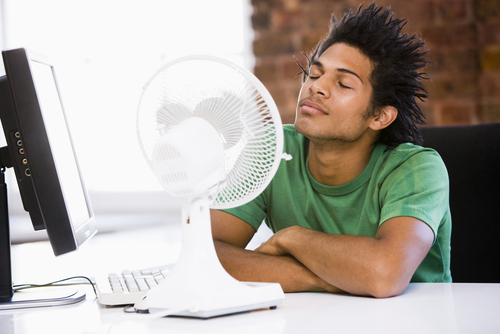
Fans May Not Be The Way To Beat The Heat

Electric fans may do more harm than good in heat wave.

And the reason is because we don’t know exactly how the body’s cooling system really works.

In an editorial accompanying a review of studies from around the world on the effectiveness of electric fans, researchers writing this week in the The Cochrane Library say there’s no evidence that fans are the way to go during a heat wave.

In fact, they say, that when temperatures rise above 95 degrees, or roughly body temperature, the fan might actually make you even hotter, unable to sweat and sick. There’s some disagreement as to how, but some researchers have found hot air blowing on a hot body can cause an increase in the rate of dehydration or heat exhaustion.

Kay Dickersin, director of the Center for Clinical Trials and the U.S. Cochrane Center, based at Johns Hopkins University, says how the body copes with heat is very complex.

Public health officials have a responsibility to help the public cope with heat waves, however, large randomized testing is difficult given the nature of weather.

Not having the right answers leads health officials to be conservative when suggesting that using electric fans in temperatures greater than 95 degrees fahrenheit may not be helpful and could actually be harmful.

A New Chemical Discovery May Eliminate Cavities

A new compound might be able to prevent cavities.

Keep 32 was discovered by researchers Jose Cordova from Yale University and Erich Astudillo from the Universidad de Santiago in Chile, who discovered the chemical and said it is able to eliminate the cavity-producing bacteria Streptococcus mutans which causes decay.

Although not everyone in the dental community is optimistic, the uses of Keep 32 as additives to mouthwash, toothpaste, chewing gum and candies, may work to reduce bacteria enough to make the battle with tooth decay a little easier.

To effectively prevent tooth decay, Curatola recommended avoiding harsh detergent toothpastes and alcohol-based mouthwashes, which disturb the balance of the oral biofilm, eating a healthy diet high in ‘alkalizing’ green foods and low in acidic foods such as refined carbohydrates, sugar and soda, and eating anti-inflammatory foods because inflammation causes profound effects on all organ systems in the body and can relate to gum disease and tooth decay.

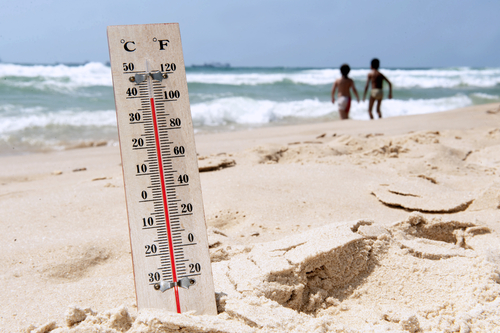
Summer Heat Can Be Deadly But Why?

Record heat has claimed 23 lives and the weather shows no signs of letting up.

But what is it that causes people to succumb to high temperatures?

The ability to sweat is what keeps the body cool.
Once high humidity becomes part of the equation, sweating is no longer as effective.

Extreme temperatures make it difficult for a heat-stressed individual to be aware of the danger since the brain and central nervous system are particularly sensitive to high internal temperatures.

Hot weather alone is not dangerous, said Chris Minson, an environmental physiologist at the University of Oregon, Eugene. Instead, it’s a combination of hot temperatures, high humidity, and often preexisting health conditions that can push a person’s core body temperature to reach the danger zone of 104 F. At that point, the nervous system goes haywire, the heart experiences excessive stress, and organ systems begin to fail.

« Older posts Newer posts »

© 2026 MedClient.com

Theme by Anders NorenUp ↑