Category: Nutrition (Page 31 of 48)

10 Things You May Not Know About Your Weight

There are facts about your weight which could change the way you think about your body.

A growing body of literature suggests that size doesn’t matter when it comes to your health. A study published in the Archives of Internal Medicine surveyed 5,440 American adults and found that 51 percent of the overweight and almost 32 percent of the obese had mostly normal cholesterol, blood sugar, blood pressure, and other measures of good health.

Further defying conventional wisdom, the article also reported that 23.5 percent of trim adults were, in fact, metabolically abnormal-making them more vulnerable to heart disease than their heavier counterparts.

The Many Health Benefits of Pears

Pears are the wonder fruit.

Who knew that pears had so much to offer?

The world’s oldest oldest cultivated plant offers a variety of health benefits and is delicious and beautiful to boot!

Calms Digestion

The pectin and fiber in pears can help stop diarrhea and the cooling tannins can calm an irritated digestive tract.

Keeps You Hydrated

Pears are a watery food and when you add in the A and C vitamins and rich mineral content, they can help rehydrate you and keep you hydrated.

Improves ADHD

Because of there high fiber content, pears can slow down the sugar excitability that often accompanies ADHD. However they should be eaten in moderation because they do contain natural sugars themselves.

Helps Lower Cholesterol

Pears are high in pectin (higher than apples) which reduces cholesterol levels by bonding with dietary fat and cholesterol and removing them from the body through the intestine before they are absorbed through the bloodstream.

Boosts Immune System

Pears contain a good amount of vitamins A, K, C, B2, B3, B6 and minerals calcium, magnesium, potassium, copper so eating them is great for your immune system.

Hypoallergenic Fruit

Pears are a hypoallergenic fruit. So if you have issues with food sensitivities, you usually can eat pears with no adverse side effects. This also makes them a great fruit to introduce to infants.

Prevents Cancer

The hydroxycinnamic acid found in pears has been associated with preventing stomach and lung cancer.

Fights Alzheimer’s

The antioxidant quercetin found in the skin has been shown by a recent study at Cornell University to protect against Alzheimer’s disease. So don’t’ peel your pears!

Prevents Osteoporosis

Pears contain boron which our bodies need so we can retain calcium so they have been linked to osteoporosis prevention.

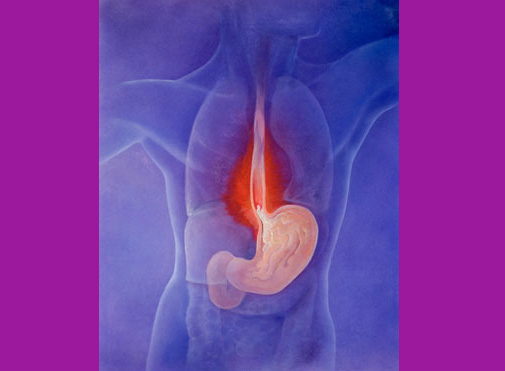
Try a Low Acid Diet to Combat Heartburn

Heartburn plagues millions and over-eating during the holidays can cause flare ups.

A low acid diet has shown to be effective in mitigating the symptoms.

In the study, 12 men and 8 women with reflux symptoms who hadn’t responded to medication were put on a low-acid diet for two weeks, eliminating all foods and beverages with a pH lower than 5. The lower the pH, the higher the acidity; highly acidic foods and beverages include diet sodas (2.9 to 3.7), strawberries (3.5) and barbecue sauce (3.7). According to the study, 19 out of 20 patients improved on the low-acid diet, and 3 became completely asymptomatic.

How Much Water Do You Really Need?

Water is crucial to good health but how much do our bodies need?
And what constitutes as water?
Fruits and vegetables contain water and can be counted in daily intake.

Our bodies are made up of about 60% water, and every system depends on water. So water is important for healthy skin, hair, and nails, as well as controlling body temperature, heart rate, and blood pressure.

“It’s definitely essential,” says Jim White, registered dietitian and personal trainer in Virginia Beach, Va., and American Dietetic Association spokesman.

“What we’re finding is so many people are deficient,” he notes. “We’re seeing a huge decrease in athletic performance and fatigue that’s caused by the lack of hydration.”

You can stay fully hydrated throughout the day by drinking water and other fluids, as well as eating foods that are hydrating.

An Effective Drug for Effortless Weight loss?

A weight loss pill which generates results in without any effort is a dream come true, for many.

Although the trials have been successful in monkeys it still needs to be tested on humans.
The researchers, headed by the husband and wife team Wadih Arap and Renata Pasqualini, have been working on the project for years. In 2004 the research team proved the drug could bring substantial weight loss in mice. Now, after the highly successful results in monkeys, they have applied for FDA approval to begin trials in people, possibly within a year.

The “couch potato” weight loss pill could be on the way.

« Older posts Newer posts »

© 2026 MedClient.com

Theme by Anders NorenUp ↑