Category: Nutrition (Page 32 of 48)

A Pricey Gym Membership Isn’t the Answer to Weight Loss

You don’t need to hit the gym to lose weight.

Making activities fun and convenient means that you are also, more likely to stick with a regime.

Committing time, travel and money to a work out can prohibit how often you will actually exercise.

But allocating a few minutes, consistently, to at-home exercise can yield real results.

Don’t be blinded by the illusion that the only way you can lose weight is if you hit the gym – people are losing weight and staying in shape every day by using the tools they have at home and investing a little money (far less than they would invest in a gym membership!) to buy a few key fitness tools. Follow these tips and clean up your eating habits and you’ll be shedding the pounds in no time.

The Cure is in the Juice

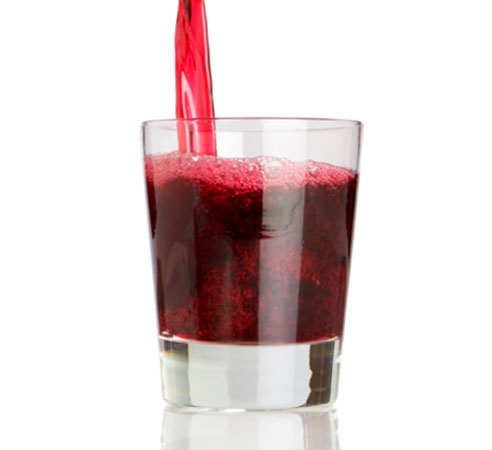
Cranberry juice continues to be the best remedy for Urinary Tract infections.

Extracting the compounds thought to cure UTI’s is not enough.

It seems that it is the nature of the juice itself wherein lies the cure.

Currently, they have been taking a serious look at a group of flavonoids found in cranberries called proanthocyanidins. They believe that proanthocyanidins (aka PACs) are the source of the cranberry’s super-powerful infection fighting properties.

Unfortunately for the pharmaceutical industry… researchers at the Worcester Polytechnic Institute have recently found that “cranberry juice, itself, is far better at preventing biofilm formation, which is the precursor of infection, than PACs alone”.

Lifestyle Trumps Bad Genes

If you feel that you have gotten a bum deal in the genetic lottery then take heart; a healthy lifestyle and healthy diet can undue bad genes.

Research shows that a healthy diet may undue a genetic predisposition to heart disease.

A diet high in fruits and vegetables appears to mitigate the genetic risk of a heart attack,” says researcher Sonia S. Anand, MD, PhD, professor of medicine and epidemiology at McMaster University in Hamilton, Ontario, Canada.

The finding, if it bears out, could affect many people at risk for heart disease because of a genetic variant that researchers have only recently linked with heart attack. It could also call into question the suggestion that you can’t help your genes.

“Frankenfoods” in a World of GMO’s

Genetically modified food may look like the answer to food shortages but the dangers might just outweigh the benefits.

But now the concern that these genetically manipulated foodstuffs are harming human health is growing. Inserting a gene into a plant’s genome is a random and haphazard process that allows no control over where the gene actually ends up in the plant’s otherwise carefully constructed DNA. Insertions can show up inside other genes, can delete natural genes or permanently turn them on or off, and can cause significant mutations near the insertion site. For instance, one study found that a gene known to be a corn allergen was turned on in GM corn, though it was turned off in its conventional parent.

“It’s genetic roulette,” says Smith. “You can create carcinogens, anti-nutrients, toxins. We don’t understand the language of DNA enough to predict what might happen. It’s an infant technology, and we’re making changes that are permanent in the gene pool of species.”

Studies Find that Vitamins Can Do More Harm Than Good

Evidence against vitamin use is mounting.

Especially with vitamin E and Selenium therapies which are targeted to specific conditions such as prostate cancer.

The Selenium and Vitamin E Cancer Prevention Trial, known as the Select trial, was studying whether selenium and vitamin E, either alone or in combination, could lower a man’s risk for prostate cancer. It was stopped early in 2008 after a review of the data showed no benefit, although there was a suggestion of increased risk of prostate cancer and diabetes that wasn’t statistically significant. The latest data, based on longer-term follow-up of the men in the trial, found that users of vitamin E had a 17 percent higher risk of prostate cancer compared with men who didn’t take the vitamin, a level that was statistically significant. There was no increased risk of diabetes.

In regard to women’s health not only were vitamins not successful in preventing disease but were found to be harmful, in some cases.

Among the women in the Iowa study, about 63 percent used supplements at the start of the study, but that number had grown to 85 percent by 2004. Use of multivitamins, vitamin B6, folic acid, iron, magnesium, zinc and copper were all associated with increased risk of death. The findings translate to a 2.4 percent increase in absolute risk for multivitamin users, a 4 percent increase associated with vitamin B6, a 5.9 percent increase for folic acid, and increases of 3 to 4 percent in risk for those taking supplements of iron, folic acid, magnesium and zinc.

Read more

« Older posts Newer posts »

© 2026 MedClient.com

Theme by Anders NorenUp ↑