Category: Research (Page 22 of 93)

Drink The Soda Leave The Chips

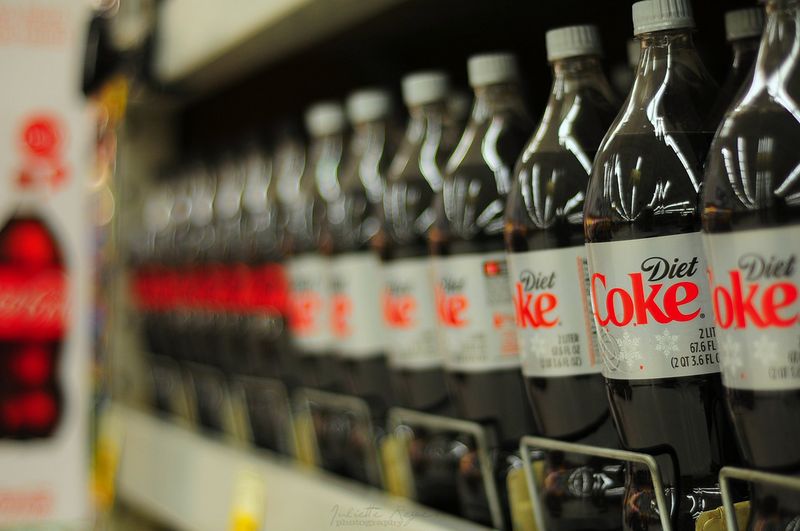
Drinking diet soda in and of itself may not contribute to metabolic disorder, however, consuming extra calories because of those saved with the soda will add up.

So, is it the case that those who drink diet soda also allow other unhealthy habits into their daily diet?

This could, indeed, be the reason for the diet soda-metabolic disorder connection.

The American Heart Association doesn’t have specific guidelines on diet soda consumption, but spokesperson Rachel Johnson of the University of Vermont says moderate consumption seems fine. “But what the mistake a lot of people make is that they compensate for the calories that they save in the diet soda with other foods and beverages,” says Johnson.

Part of a healthy diet would include eliminating items with artificial sweeteners, preservatives and chemicals.

Putting An End To Obesity Trends Needs To Start In Childhood

Kids are going to have to make serious calorie cuts to avoid obesity as they get older.

If current trends continue, childhood obesity will transition into adult obesity.

In setting the Healthy People 2020 goals, the feds were more pragmatic. They hope to reduce the childhood obesity rate by 10 percent of the 2005-2008 levels, to 14.6 percent of children and teens. Getting there would require kids to cut 23 calories a day, on average. Teens, who are more likely to be obese than young children, would have to cut more.

The good news is that obesity seems to be leveling off but even if the obesity epidemic has peaked, children are heavier than they have ever been in human history.

Diabetes Is An American Crisis

Gastric bypass surgery may sound drastic but diabetes has become a serious health issue for millions of Americans.

The health care costs alone pose a threat the system not to mention the toll the disease takes on families and society at large.

Getting this epidemic under control should be a top priority, however, is life threatening surgery the answer?

It’s That First Bite That Will Do You In

Staying away from sweet treats and fried foods may be the best strategy to maintain a healthy lifestyle.

You’ve been eating healthy and avoiding junk food.

There is a kind of momentum which develops where you are gaining will power by exercising your will to stay away from fatty, sugary foods.

But, that first whiff leads to that first bite which can lead to a slippery slope into over indulgence.

There’s a reason this tends to happen almost exclusively with fatty and sugary foods and not, say, lettuce. The saturated fats in foods like bacon and cheese impair your brain’s normal ability to regulate appetite and cravings, so you don’t realize you’re full until you’re completely stuffed, says Kelly McGonigal, Ph.D., a health psychologist at Stanford University and author of The Willpower Instinct. What’s more, that effect on your appetite can last for up to three days, the length of time it takes to flush those fats from your system. So one unhealthy indulgence can end up triggering a major relapse.
Add sugar to the fatty food, ice cream, cake, doughnuts, and you have a double whammy. High-sugar foods increase your levels of ghrelin, a hormone that stimulates appetite and increases cravings. “So you may tell yourself ‘Just one bite’ but find yourself wanting more and more, the more you eat,” says McGonigal.

Moderation is a term that gets tossed around often, however, the definition seems to have a wide range of meaning.

If being around treats could derail your diet, then better to avoid them altogether especially considering that there is no nutritional gain to be had from eating junk food anyway.

« Older posts Newer posts »

© 2026 MedClient.com

Theme by Anders NorenUp ↑