Category: Research (Page 57 of 93)

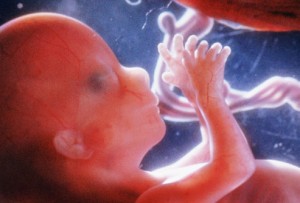
Autism May Start in the Womb

Autism may begin in the womb.

This theory may offer some relief to parents who believe vaccines are the cause of autism.

The new science suggests that an overgrowth of brain cells in early embryonic development is responsible for the symptoms of autism.

“In autism something is going terribly wrong with mechanisms that control the number of neurons beginning in prenatal life and may extend to perinatal and early post-natal life,” says lead author Eric Courchesne, Ph.D. When there are too many brain cells, the brain can’t wire itself up correctly. If there’s too much wiring in the prefrontal cortex, it could help explain why children with autism have poor social skills, difficulty communicating and why some may never learn to speak at all.

America’s Growing Waistline and Health Care Woes

Americans are getting fatter.

At the rate we’re going 83 percent of American men will be overweight or obese by 2020 followed by women at 72 percent projected to be overweight or obese by then, as well.

The implications go far beyond tight pants and groaning sofas. Obesity is a big risk factor for cardiovascular disease and diabetes.

Imagining an America of overweight, unhealthy people gives public health officials the willies. And it should be frightening to us civilians, too.

A Link Between Stroke and Mental Impairment Probable

Risk factors for stroke are strong predictors of future mental impairment.

Maintaining cognitive health is important for everyone as they age but for those who are already at risk for stroke the need is more urgent.

The volunteers were followed for an average of more than four years. After eliminating from consideration any who had had a stroke, the researchers found 1,907 who were cognitively impaired. After controlling for age, sex, race and education, researchers found that high blood pressure and left ventricular hypertrophy independently predicted cognitive impairment, and the more risk factors a person had, the greater the risk for mental problems.

Thanksgiving Memories Keep Us Connected

Feelings of nostalgia at Thanksgiving time are nothing to be ashamed of.

In fact, celebrate your natural tendency to over sentimentalize everything and even cry at the site of mom’s pecan pie.

That’s why this time of year, TV and radio ads are filled with smiling families sitting around a large table in holiday sweaters, passing the dinner rolls. Even if you’re far away from home, companies want you to believe that buying those same dinner rolls will fill your heart with holiday joy. Turns out, it works.

Thanksgiving foods trigger memories of time spent with family and loved ones. And given the way our memories work we really edit out the bad and focus on the good.

Scent memory is very strong and can transport us to a simpler carefree time.

So just sit back and enjoy; soak it all in for one big day of feasting and a walk down memory lane.

« Older posts Newer posts »

© 2026 MedClient.com

Theme by Anders NorenUp ↑