Category: Research (Page 72 of 93)

Will Socializing Keep You Thin?

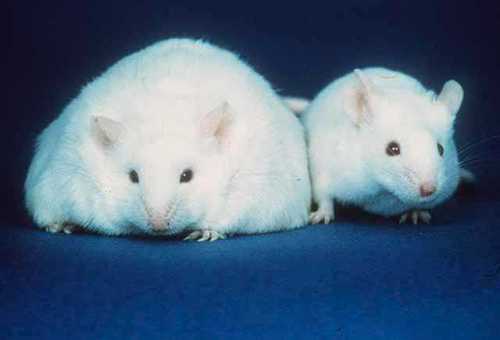
A recent study of mice found that when they were in social groups they were able to convert energy-storing white fat, to energy-burning brown fat.

Fat can come in two types: energy-storing white fat, and energy-burning brown fat.

While we all have white fat tissue, the brown fat needed for weight loss is difficult to make. It is mostly found in babies, or in adults who have been exposed to extreme cold, where it is burned to keep them warm.

But the US team, led by Professor Matthew During, have found that relatively small changes in the physical and social living environment of mice can alter vast amounts of white fat to brown.

Lower Breast Cancer Risk with Plant Based Diet

A new study shows that those women whose diets were low in red meat, sodium and processed carbohydrates and high in plant based foods and legumes may have a somewhat decreased risk of developing one type of breast cancer,

The findings, from a large, long-running study of U.S. nurses, showed that women with diets high in plant foods — but low in red meat, sodium and processed carbohydrates — tended to have a lower risk of developing certain breast tumors.

Of more than 86,000 women the study followed for 26 years, slightly less than one percent developed ER-negative breast cancer.

The risk, researchers found, was lower among women whose diets most closely resembled the Dietary Approaches to Stop Hypertension (DASH) diet — an eating plan experts recommended for lowering blood pressure. It emphasizes vegetables, fruit, fiber-rich grains, legumes and nuts, and low-fat dairy.

Five Key Ways to Prevent Diabetes

People who manage to stay healthy and diabetes free as they age share some healthy habits.

The five key traits they share represent healthy habits which anyone can incorporate into their daily routine.

Normal weight They were not overweight or obese, and maintained a body mass index below 25 (a threshold equivalent to 155 pounds for a 5-foot, 6-inch woman).

Nonsmoking They had never been regular smokers, or they’d been smoke-free for at least 10 years.

Physically active They got at least 20 minutes of heart-pounding, sweat-inducing exercise three or more times per week.

Healthy diet They consumed a diet with lots of fiber, little trans fat, few refined or sugary carbohydrates, and a high ratio of good (polyunsaturated) to bad (saturated) fats.

Little to no drinking They used alcohol in moderation, if at all — two drinks or less a day for men, and one drink or less for women.

Women Benefit from Moderate Drinking

Harvard researchers suggest that Middle-aged women who drink alcohol in moderation have a better chance than nondrinkers of staying healthy as they age.

Moderate drinking; 3-15 drinks per week for women, showed 28% higher odds of being free from chronic illness, physical disability, mental health problems, and cognitive decline at age 70.

The study applied to middle aged white women and while it is not a prescription to start drinking or to over indulge it is encouraging for those who imbibe in moderation.

Cancer is on the Rise World Wide

Cancer rates in the world are on the rise.

To the alarm of the World Cancer Research Fund, 2.8 million new cancer cases have developed due to lifestyle changes.

“As countries become more urbanised, they become more prone to the Western diseases that we are used to seeing. Not just cancers – coronary heart disease, diabetes, obesity and lung diseases.”

He said: “Many people are still unaware that risk factors such as alcohol and obesity affect cancer risk, while from television advertising to the pricing of food, our society works in a way that discourages people from adopting healthy habits.”

« Older posts Newer posts »

© 2026 MedClient.com

Theme by Anders NorenUp ↑