Tag: women’s health (Page 8 of 13)

Breast Cancer Risk Increases With Alcohol Use

Breast cancer risk rises with alcohol consumption in women.

The research, which looked at the habits of more than 100,000 women over 30 years, adds to a long line of studies linking alcohol consumption of any kind — whether beer, wine or spirits — to an increased risk of breast cancer. But until now the bulk of the research largely focused on higher levels of alcohol intake. The latest study is among the first to assess the effect of relatively small amounts of alcohol over long periods of time, drawing on a large population of women to provide new detail about the breast cancer risks associated with different patterns of drinking.

So, it seems that women need to weigh their risks of developing breast cancer from alcohol consumption or mitigating the risk of cardiovascular disease by consuming small amounts of wine.

While the conflicting information is confusing each women needs to consult with her physician to plot the best regime for her potential health risks.

A Fertilized Egg is a Person?

If the 26th amendment in Mississippi passes it is.

The beginning of personhood?

Because the amendment would define a fertilized egg as a person with full legal rights, it could have an impact on a woman’s ability to get the morning-after pill or birth control pills that destroy fertilized eggs, and it could make in vitro fertilization treatments more difficult because it could become illegal to dispose of unused fertilized eggs. This could lead to a nationwide debate about women’s rights and abortion while setting up a possible challenge to the landmark Roe v. Wade case, which makes abortion legal.

The vote is upcoming in Mississippi to declare a fertilized ovum; human egg, a person.

The implications are vast and the arguments many, but in a state with the highest teenage pregnancy and STD rates it looks like the amendment will pass.

Physicians, scientists, women and hospital staff will face a host challenges to deal with the care of patients if this amendment passes.

There are great arguments on both sides.

Considering all the possibilities a new branch of legal practice may be necessary.

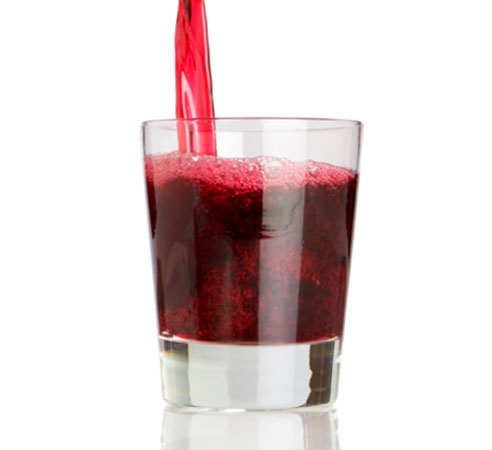
The Cure is in the Juice

Cranberry juice continues to be the best remedy for Urinary Tract infections.

Extracting the compounds thought to cure UTI’s is not enough.

It seems that it is the nature of the juice itself wherein lies the cure.

Currently, they have been taking a serious look at a group of flavonoids found in cranberries called proanthocyanidins. They believe that proanthocyanidins (aka PACs) are the source of the cranberry’s super-powerful infection fighting properties.

Unfortunately for the pharmaceutical industry… researchers at the Worcester Polytechnic Institute have recently found that “cranberry juice, itself, is far better at preventing biofilm formation, which is the precursor of infection, than PACs alone”.

Yoga Poses to Ease the Symptoms of Menopause

You can harness the power of Yoga to ease the symptoms of menopause.

Menopause brings with it fluctuating hormones that mess with your sleep, pack on pounds of belly fat, and make you irritable and less interested in sex.

But yoga can help.

Yoga practice cut hot flashes by 31% in one study, and other research has found that regularly doing yoga improved libido, mood, and craving control.

Studies Find that Vitamins Can Do More Harm Than Good

Evidence against vitamin use is mounting.

Especially with vitamin E and Selenium therapies which are targeted to specific conditions such as prostate cancer.

The Selenium and Vitamin E Cancer Prevention Trial, known as the Select trial, was studying whether selenium and vitamin E, either alone or in combination, could lower a man’s risk for prostate cancer. It was stopped early in 2008 after a review of the data showed no benefit, although there was a suggestion of increased risk of prostate cancer and diabetes that wasn’t statistically significant. The latest data, based on longer-term follow-up of the men in the trial, found that users of vitamin E had a 17 percent higher risk of prostate cancer compared with men who didn’t take the vitamin, a level that was statistically significant. There was no increased risk of diabetes.

In regard to women’s health not only were vitamins not successful in preventing disease but were found to be harmful, in some cases.

Among the women in the Iowa study, about 63 percent used supplements at the start of the study, but that number had grown to 85 percent by 2004. Use of multivitamins, vitamin B6, folic acid, iron, magnesium, zinc and copper were all associated with increased risk of death. The findings translate to a 2.4 percent increase in absolute risk for multivitamin users, a 4 percent increase associated with vitamin B6, a 5.9 percent increase for folic acid, and increases of 3 to 4 percent in risk for those taking supplements of iron, folic acid, magnesium and zinc.

Read more

« Older posts Newer posts »

© 2026 MedClient.com

Theme by Anders NorenUp ↑