Category: Quality Control (Page 27 of 74)

An Aspirin A Day To Keep The Cancer Away

Aspirin therapy may be effective in preventing and even treating some cancers.

This is very promising news considering the high cost of medical care and the relatively inexpensive and highly accessible nature of aspirin.

There are drawbacks to using aspirin such as gastrointestinal bleeding, however these usally mild symptoms seemed to dissipate over time.

More studies need to be done, however the news is promising.

A new study finds that people who took a low-dose aspirin daily for at least three years were 25 percent less likely to develop cancer than people who didn’t take it.

Aspirin also reduced the risk of death from cancer by nearly 40 percent after five years, the researchers said.

The reduced risk of death may be due in part to a decrease in cancer’s ability to spread to other organs. In a second study, researchers found a daily dose of aspirin led to a 36 percent reduction in the risk of being diagnosed with cancer that spread to other organs.

Your Co-Workers Can Sabotage Your Diet

Feeling pressure from colleagues when it comes to your dieting efforts can sabotage all of your hard work.

Eating with colleagues is a way to create camaraderie , celebrate shared accomplishments and show that you are part of the team.

If you don’t partake in the office cupcake and coffee breakfast you can be judged critically.

Also, slim peers are seen as threatening elements in the office, often considered to be tougher competition in an already shaky job market.

From subtle to shocking the methods of co-workers to undo your diet can result in weight gain for you.

Read on to find strategies to help you beat the pressure!

Some 29% of people on diets say colleagues pressure them to eat more, make fun of their diets or order them restaurant food they know isn’t on their diets, according to a recent survey of 325 dieters by Survey Sampling International for Medi-Weightloss Clinics, a Tampa, Fla., franchiser of physician-supervised weight-loss clinics.

The approach can seem innocuous, but can result in weight gain over time. A colleague brings in home-baked cookies to celebrate a promotion, a birthday or to rally the team, and who wants to look like they don’t appreciate the work of others if they decline?

The Snake Oil That Is Energy Drinks

When it comes to energy drinks and potions you may be wasting your money.

Sugar, caffeine, B-12 and herbal concoctions do little to truly increase your energy level.

In fact, hospital visits related to energy drinks have surged more than tenfold since 2005, reports the U.S. Center for Behavioral Health Statistics and Quality. And most of those amped-up patients are men.

Regular sleep of 7-8 hours, a healthy diet and moderate exercise are the best ways to maintain an energy level which will allow you to stay awake and alert, productive and energized throughout your day.

“We don’t use our bodies the way they’re built to be used,” says Dr. Edlund. “We guzzle energy drinks and then can’t sleep at night. We sit all day and then read e-mails at 3 a.m.” It’s no wonder we walk around like zombies, and treat these drinks like liquid life support. As sales and heart rates spike, it’s a good time to question the trends and find healthier ways to power up.

Rebates To Millions From A Disgruntled Health Insurance Industry

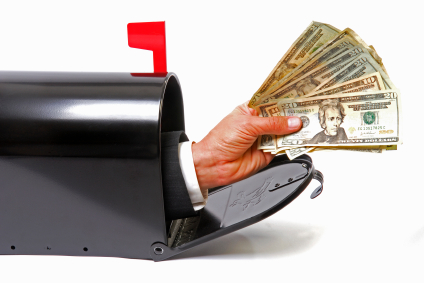
Rebates are coming to millions of Americans as the result of new requirement in the federal health care overhaul.

Although the payout will amount to only $160 per person it is a way to establish oversight within the insurance industry.

Here’s how the new system works: Starting in 2011, insurers were supposed to abide by the new rules. They require insurers in the individual and small group market to keep administrative costs to 20 percent, and to just 15 percent in the large group market. If they don’t, they’re supposed to send out a round of rebates by Aug. 1 of this year. That rebate could take the form of a check or credit card payment, or a reduction in premiums — the rebates will either be distributed to individuals or employers depending on the plan.
Some companies will inevitably comply with the rule, and in turn not be required to pay out rebates. Those that don’t are supposed to report to the federal government by June with their rebate plans.

Private Payer Insurance Is Not Cost Effective And Highly Inefficient


A review of private payer insurance shows an inefficient system.

Compare that to the U.S., where an estimated 137,000 people died over seven years because they were uninsured. Of course, the Brits do pay for their health care in another way – with taxes. their sales tax is a whopping 20% and income taxes are as high as 50%.
All of that money feeds a health care behemoth. The NHS is Europe’s largest employer, with well over 1 million people on the payroll. So you’d think it would be inefficient.

« Older posts Newer posts »

© 2026 MedClient.com

Theme by Anders NorenUp ↑