Author: Staff (Page 55 of 158)

Pink Slime Meets The Highest Standard For Food Safety

Time to re-evaluate our standards!

The USDA is defending the use of “pink slime”

The USDA, schools and school districts plan to buy the treated meat, categorized as “lean fine textured beef,” from South Dakota’s Beef Products Inc (BPI) for the national school lunch program.

The BPI product makes up about 6.5% of the 112 million pounds of ground beef that has been contracted for the National School Lunch Program, the USDA said.

There has been much debate over the ammonia washed, lean, fine, texturized beef.

The USDA’s defense of the safety of this product draws attention to the standards and practices of the agency.

Harvard Study Advises To Limit Red Meat Consumption

Red meat just can’t catch a break.

More evidence is in about the harmful effects of red meat.

Incidence of heart disease and cancer can be linked to consumption of red meat.

It is advised to limit consumption and that limitation should be no more than 2-3 times per week.

Using data from two long-running studies of health professionals, researchers tracked the diets of more than 121,000 middle-aged men and women for up to 28 years. Roughly 20% of the participants died during that period.
On average, each additional serving of red meat the participants ate per day was associated with a 13% higher risk of dying during the study. Processed red meat products — such as hot dogs, bacon, and salami — appeared to be even more dangerous: Each additional daily serving was associated with a 20% higher risk of dying.

Probiotics Defined

For centuries cultures all over the world have known of the health benefits of probiotics.

Fermented foods have been apart of many cuisines and they are recognized for the curative and healthy properties.

In addition to yogurt and kefir, probiotics can be found in pickled cabbage like kimchi or sauerkraut, fermented beans like tempeh and miso, soy sauce and buttermilk. Probiotics are a benign product, meaning there is very little documentation of harm from consuming them in foods or supplements.

Read more to see what probiotics can do for you.

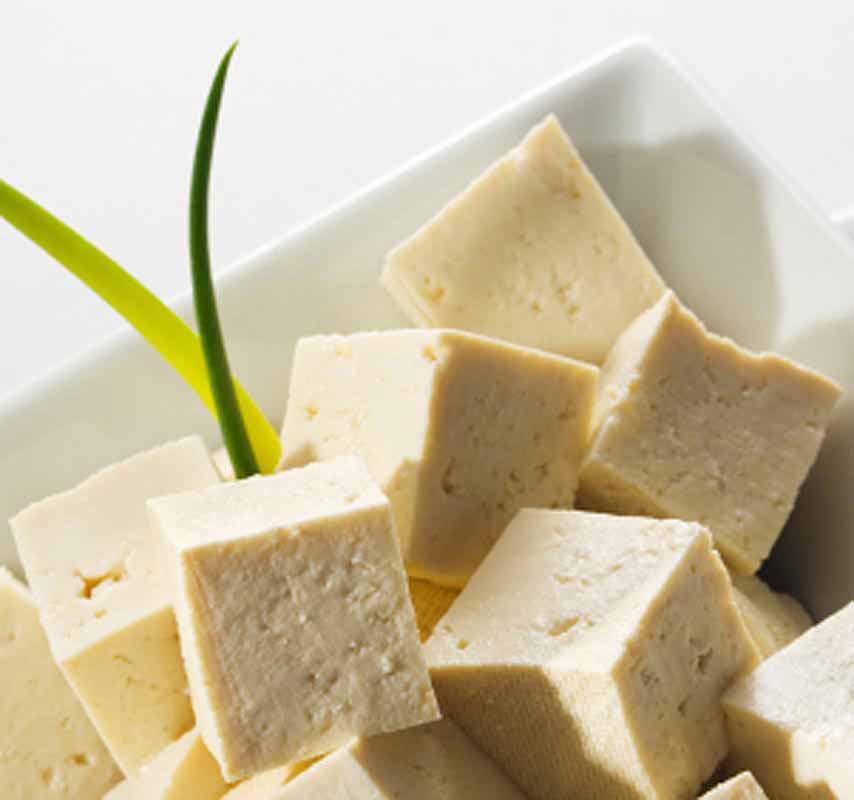
What Is Tofu And Is It Good For You?

Have you heard a bad rap against tofu?

From texture to taste, tofu isn’t the popular food in the U.S. that it is in Asia.

Knowing the different varieties of tofu available will expand your cooking options and open your current recipe repertoire to “Tofu Interpretation”.

Tofu can be sold fresh or processed in some way; for example marinated in various oils, herbs or spices. The softest tofu can be used in smoothies and cream sauces, while the firmest types are cut into small chunks and sautéed in all sorts of dishes. With a subtle flavor that does not overpower other ingredients but rather soaks up and enhances their taste, tofu can be used in a range of both sweet and savory dishes.

Vitamin D For Weight Loss

The benefits of vitamin D for weight loss are becoming clear.

Although the best source of vitamin D is from the sun it appears in a recent study that supplements can contribute greatly to weight loss.

According to a recent randomized, controlled trial on vitamin D out of Tehran University in Iran, overweight women receiving regular doses of vitamin D at amounts higher than the typical recommended daily allowance (RDA) fared much better than a placebo group at losing weight. And despite being an observational study, the findings suggest that vitamin D is a causative factor in this accelerated weight loss, rather than a correlative factor.

Among 77 overweight women randomly assigned to receive either 1,000 international units (IU) daily of vitamin D or a placebo, the vitamin D group lost five more pounds than the placebo group after a 12-week trial period. The vitamin D group also experienced improved lipoprotein and cholesterol ratio scores, which confirms a number of other studies that show vitamin D helps to improve cardiovascular health and prevent heart damage.

« Older posts Newer posts »

© 2026 MedClient.com

Theme by Anders NorenUp ↑